
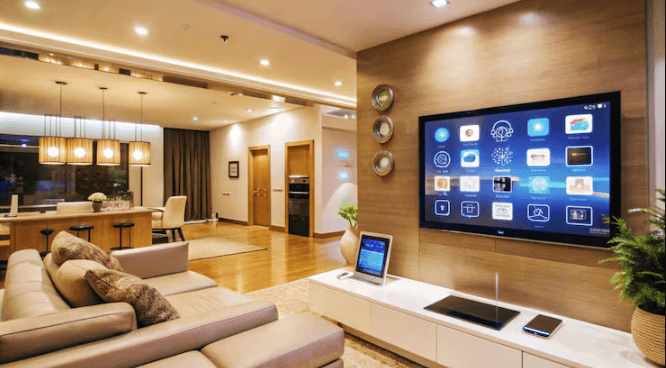
For beginners, home automation centers on a reliable network and simple devices. Start with budget-friendly smart lights and plugs, then build routines that run at set times or in response to events. Prioritize privacy, security, and easy setup, choosing interoperable gear. The path is gradual: verify each addition works, document decisions, and plan for scalable growth. A practical base is within reach, but a well-considered next step will shape what comes next.
What Home Automation Basics Do I Need?
To start, a beginner should identify the core components that enable basic automation: a reliable home network, smart devices that can connect to that network, and a central control system or hub. This framework defines automation basics and ensures scalable growth. With clear fundamentals, a streamlined setup becomes practical, empowering freedom through reliable, adaptable, beginner essentials without unnecessary complexity.
Easy, Budget-Friendly Smart Lights and Plugs
Smart lighting and plug options offer an approachable, budget-friendly entry point for beginners.
Budget friendly devices combine simple setup with reliable performance, enabling quick wins without heavy investment.
Smart lighting and plugs support easy setup, voice control, and scene creation, helping users customize spaces efficiently.
Privacy safeguards are essential, emphasizing secure networks, automatic updates, and minimal data sharing for freedom-minded households.
See also: The Evolution of Blockchain Technology
Build Simple Routines for Daily Tasks
Building simple routines for daily tasks helps newcomers translate smart devices into reliable, repeatable habits. The approach emphasizes routine timing to trigger actions at exact moments, while device grouping enables synchronized responses across rooms. Clear setup steps streamline configuration, reducing confusion. Practitioners should consider privacy safeguards from the start, ensuring data access remains limited and transparent during routine creation and testing.
Prioritize Privacy, Security, and Easy Setup
A practical approach to home automation begins with privacy, security, and a straightforward setup. A sustainable system emphasizes privacy first design, secure onboarding, and easy setup, enabling confident experimentation without exposure. Users prioritize cost effectiveness, choosing interoperable devices and clear data policies. The goal is reliable performance with minimal complexity, fostering autonomy while maintaining safeguards and accessible, scalable growth for everyday living.
Frequently Asked Questions
Can I Mix Devices From Different Ecosystems Safely?
Mixing ecosystems is possible, but mixing ecosystems safely requires care. The answer: mixing ecosystems introduces compatibility and security risks; assess safety considerations, controller compatibility, and vendor lock-in. A cautious approach prioritizes standardized protocols, firmware updates, and robust network segmentation for freedom.
What’s the Best Starter Hub for Beginners?
There is no single best beginner starter hub; a flexible option balances ecosystem compatibility and straightforward device pairing. The best beginner seeks a starter hub that supports multiple protocols, simple setup, and reliable updates for growing freedom.
How Do I Troubleshoot Wi-Fi Dead Zones at Home?
Troubleshooting wifi dead zones involves identifying weak areas, then deploying extender recommendations and network improvements. The approach remains practical: map coverage, place extenders strategically, minimize interference, update firmware, and test speeds to ensure reliable, liberated connectivity throughout the home.
Are Voice Assistants Truly Private for Home Use?
Voice assistants are not truly private for home use; privacy concerns linger as devices listen, analyze, and transmit. Users should weigh data collection risks, minimize sharing, and employ robust settings to preserve autonomy and freedom in daily, practical routines.
How Can I Automate Energy Usage Without Hubs?
Automated energy can be managed without hubs through scheduling, smart sockets, and wireless devices. The approach emphasizes energy awareness, cost control, and independence, enabling individuals to automate routines while maintaining freedom from centralized systems and ongoing connectivity dependencies.
Conclusion
As beginners explore home automation, a stable network and affordable devices set a solid foundation. With simple smart lights and plugs, routines that trigger at sunset or bedtime become practical daily helpers. Prioritizing privacy, security, and easy onboarding keeps progress steady while you scale. Clear data policies and secure updates build trust as your setup grows. Isn’t the real goal to automate smartly, safely, and without overwhelming complexity? Practical gains, observable improvements, and gradual, confident expansion.